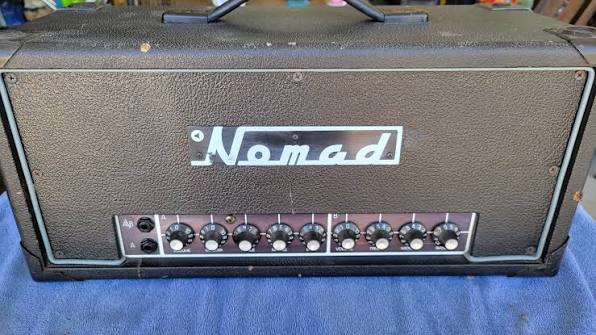
The original Nomad amplifiers were built in Berkeley and later Hayward, California, beginning in 1985.
About 500 original Nomad amps were made and the majority of those are still in service today.
The specifications shown here are general guidelines for each model. Most Nomad amps were hand tailored to a specific player's needs, and only a few were sold through dealers as stock items.
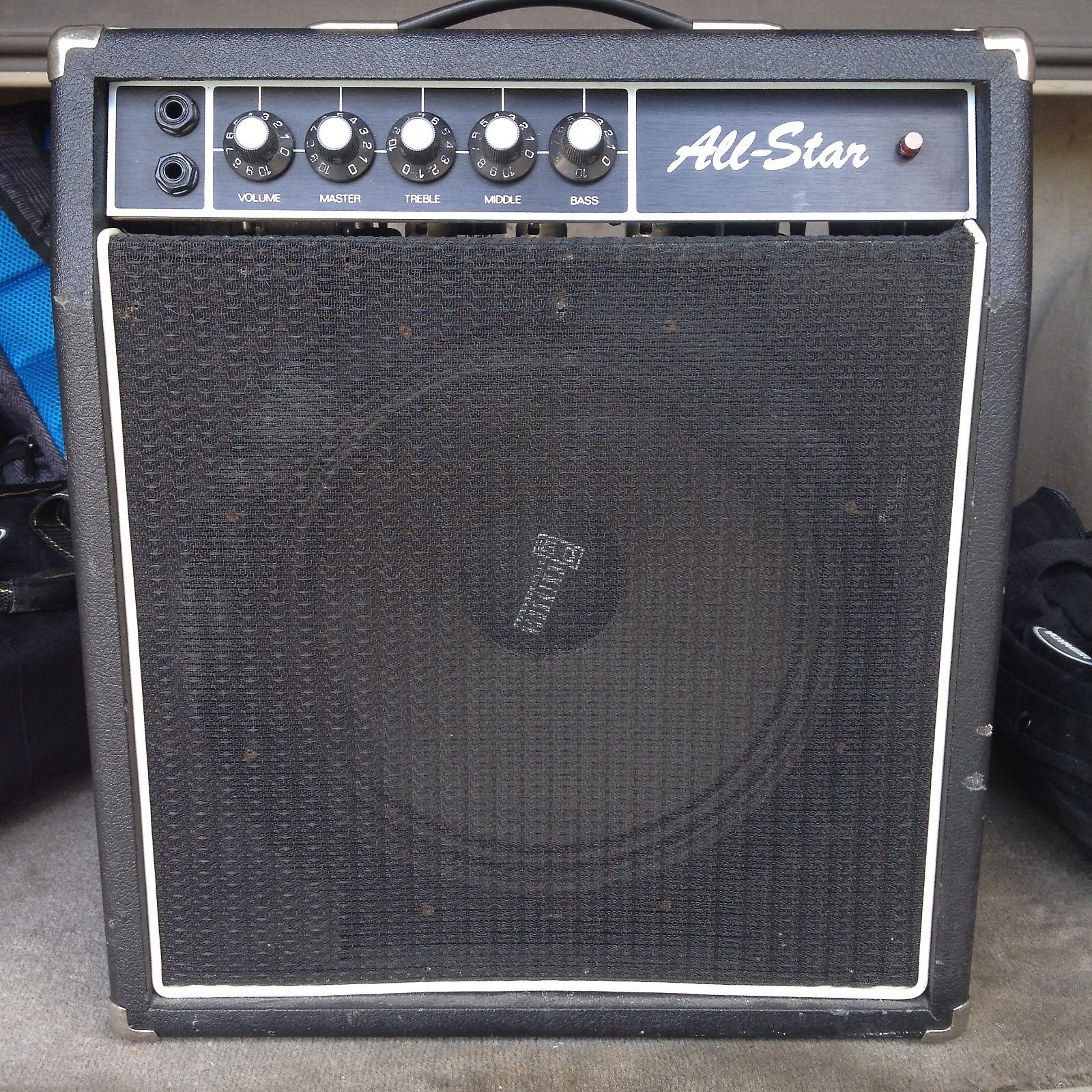
All-Star
Specifications
50-watt tube combo
1 × 12" speaker
EL34 or 6L6 output tubes
Preamp gain individually tuned to the buyer's specifications
No two amplifiers shared the same preamp circuit
Speaker selected to the player's preference
History
Approximately 12 to 20 All-Star amplifiers were hand built in Berkeley. Each amplifier was individually voiced for its owner, making every example unique.
Hi-Gain
Specifications
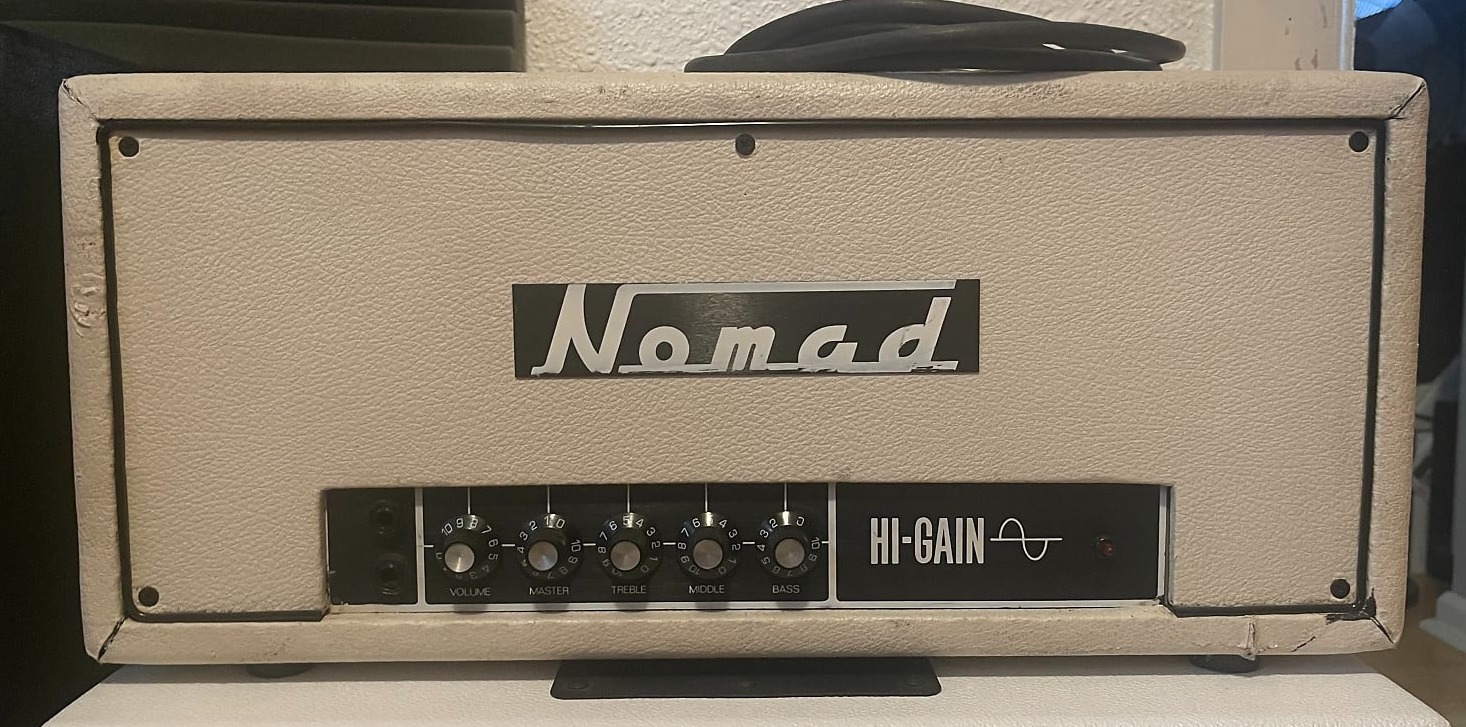
100 watts continuous into 4 Ω at 1 kHz
Single-channel Fender-style EQ
4 × EL34 output tubes
Cheyenne
Description
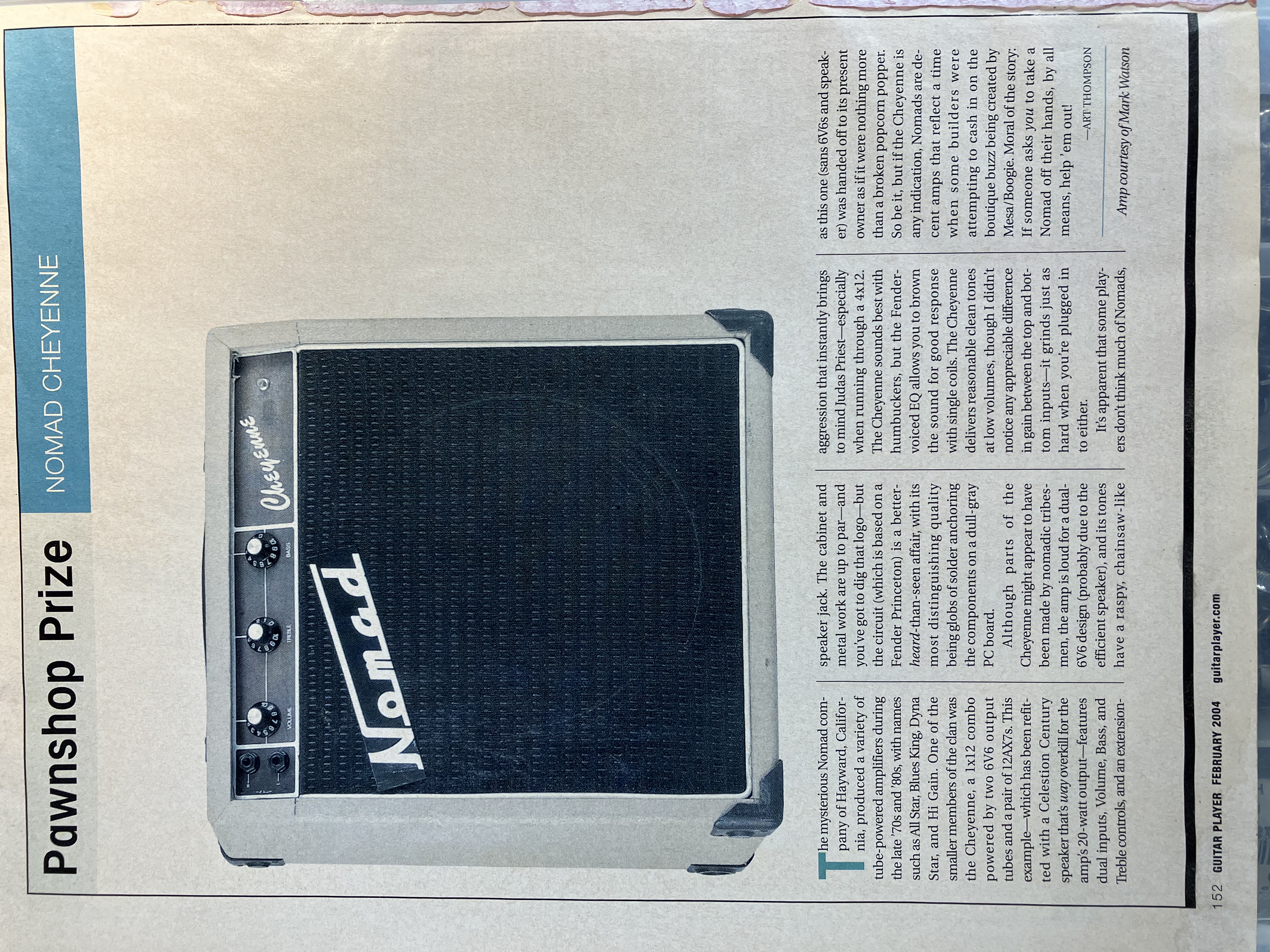
Even though this Nomad amp found its way to a pawn shop, someone at Guitar Player magazine recognized it and gave it a new home and some press.
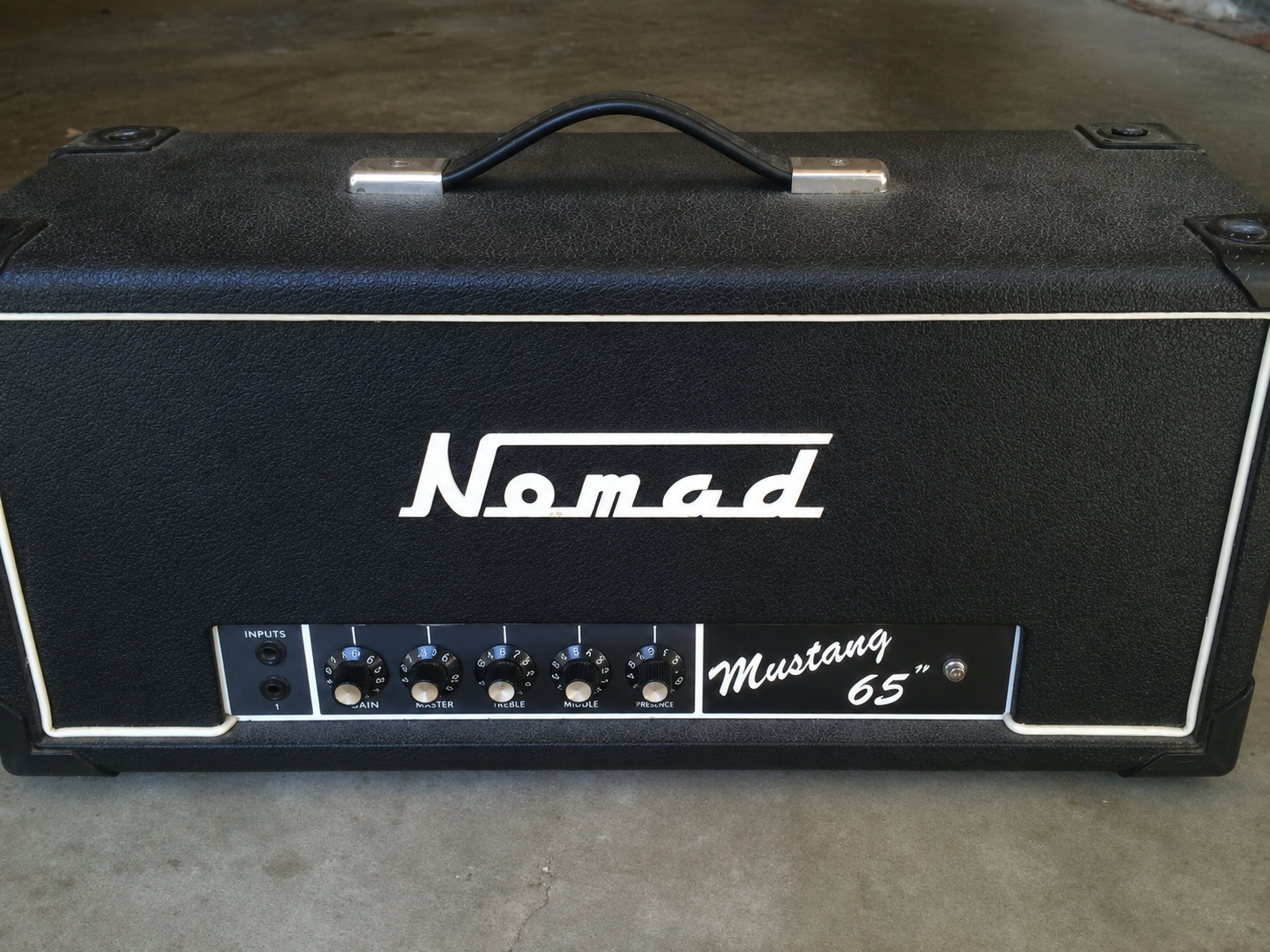
Mustang 65
Specifications and history coming soon.
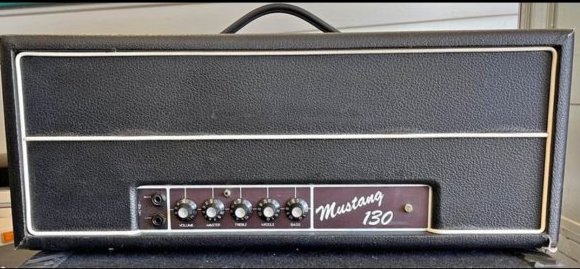
Mustang 130
Design
The Mustang 130 shared the same 100-watt output stage as the Hi-Gain, but its preamp was modeled after a classic 50-watt Plexi head rather than the modified Fender-inspired preamp used in the Hi-Gain, giving it a distinctly British voice.
Despite its name, the Bass 300 was not a 300-watt amplifier. The "300" referred to the approximate weight, in pounds, of a complete Bass 300 system consisting of the amplifier and its matching speaker cabinets.
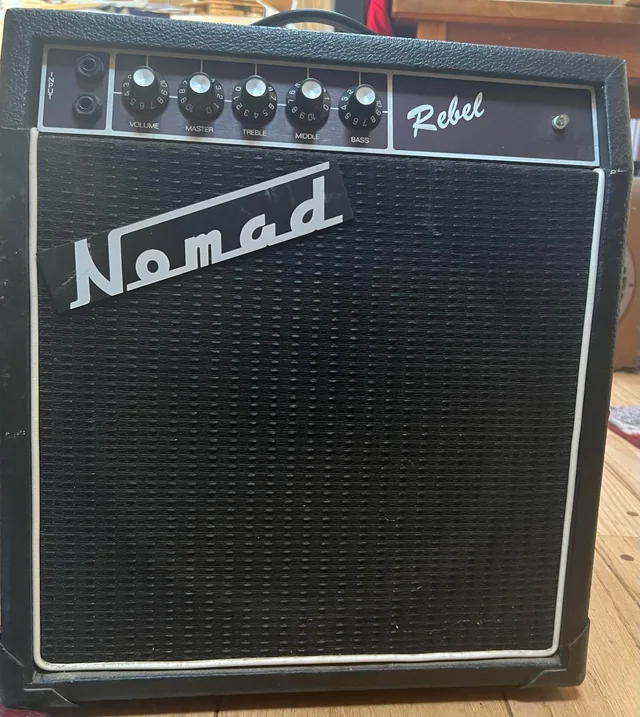
Rebel (1986)
Specifications
1 × 12" combo
Approximately 12 watts
Designed specifically for harmonica players
Many examples built with 6K6 output tubes in place of 6V6s to reduce output power
Design Philosophy
The original Rebel was built in 1986 for Billy "Hey Joe" Roberts. Every Rebel received a hand-tuned preamp section matched to the player's style and preferred microphone, making each amplifier unique.
History
The use of 6K6 output tubes allowed the amplifier to be driven harder at lower volume, producing the warm compression and natural overdrive favored by many blues harp players.
Channel Switcher
Specifications
Original Nomad production model
1 × 12" combo
Available in 50-watt and 100-watt versions
Two completely discrete preamp channels operating out of phase with each other
Channel selection: A, B, or A+B
Design Philosophy
With both preamp channels operating simultaneously (A+B), the out-of-phase relationship between the two signal paths allowed the player to shape the frequency response through phase-cancellation effects, creating a unique form of EQ control unavailable on conventional amplifiers.
History
The Channel Switcher was the original Nomad model. Approximately 60 amplifiers were built.
Nomad Amplifier Warranty
All Nomad amps carry a lifetime warranty to the original owner. Lifetime is defined as my lifetime or as long as I am able to work on amps, whichever comes first.
I make every effort to honor the warranty even if ownership of the amp has changed, but I make no fixed warranty or guarantee I will be able to do that. It is only our intent to honor the warranty for secondary owners.
It is the owner's responsibility to get the amp back to me for repair or upgrade.
On amps made before 2025, tubes and speakers are not warranted.
Contact me for further details and an RA number before sending an amp back.
Standards of Construction
In the 1950s, the U.S. government bought audio amplifiers based on rigid JAN (Joint Army-Navy) specifications. These standards required vacuum-tube designs built for extreme environments. Contractors used thick, shielded steel chassis, point-to-point wiring, and heavy-duty transformers. Parts were ruggedized—built to survive shocks, vibrations, and high humidity.
These government standards demanded high reliability and specific performance:
JAN-Spec Components: Every part had to meet military standards. They used premium, highly durable vacuum tubes. Examples include the 6L6 or 5881.
De-Rating: Engineers forced parts to run well below their maximum limits. If a resistor could handle 2 watts, military guidelines often limited it to 1 watt. This prevented overheating and failure.
Low Distortion: Signal Corps and military communication amplifiers required low Total Harmonic Distortion (THD). This usually meant 1% or less.
These are the Nomad construction standards.
Order Status
Nomad amps are hand made, one at a time, for specific customers. I process orders in the order I receive them and do my best to keep production moving.
It takes some time to produce a product when the goal is, "You just can't build it better."